DeFi Infrastructure & Dev Tooling
Infrastructure is what DeFi applications are built on rather than what end users open. These are the price feeds, cross-chain messaging, node access, indexed data and account tooling that a protocol depends on to work at all.
The filters separate entries by the job they do, from feeding prices and indexing history to moving assets across chains, serving RPC, running governance, handling identity and abstracting accounts away from private keys. Entries are listed in editorial order, with featured listings first.
QuikNode
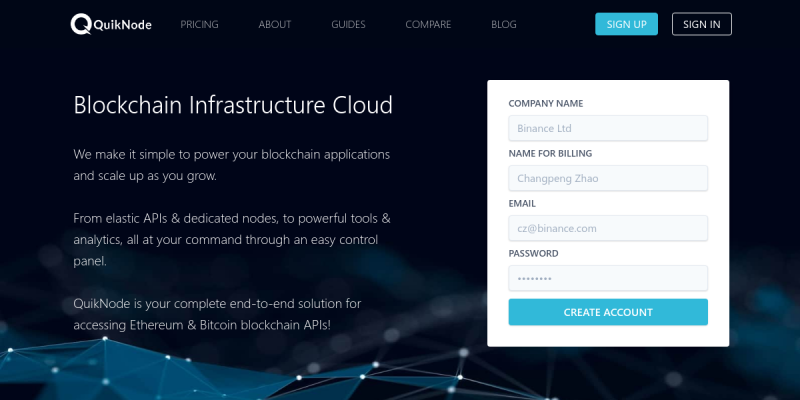
QuikNode is a RPC node service provider with APIs & dedicated nodes available.
Chainlink
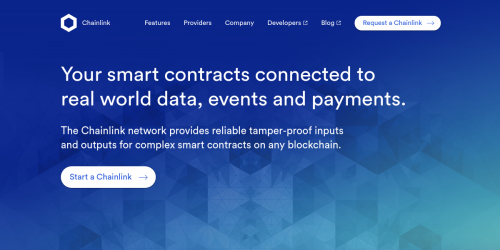
Chainlink is a decentralized oracle that can provide external data to smart contracts. Interview with Adelyn Zhou
Pyth Network
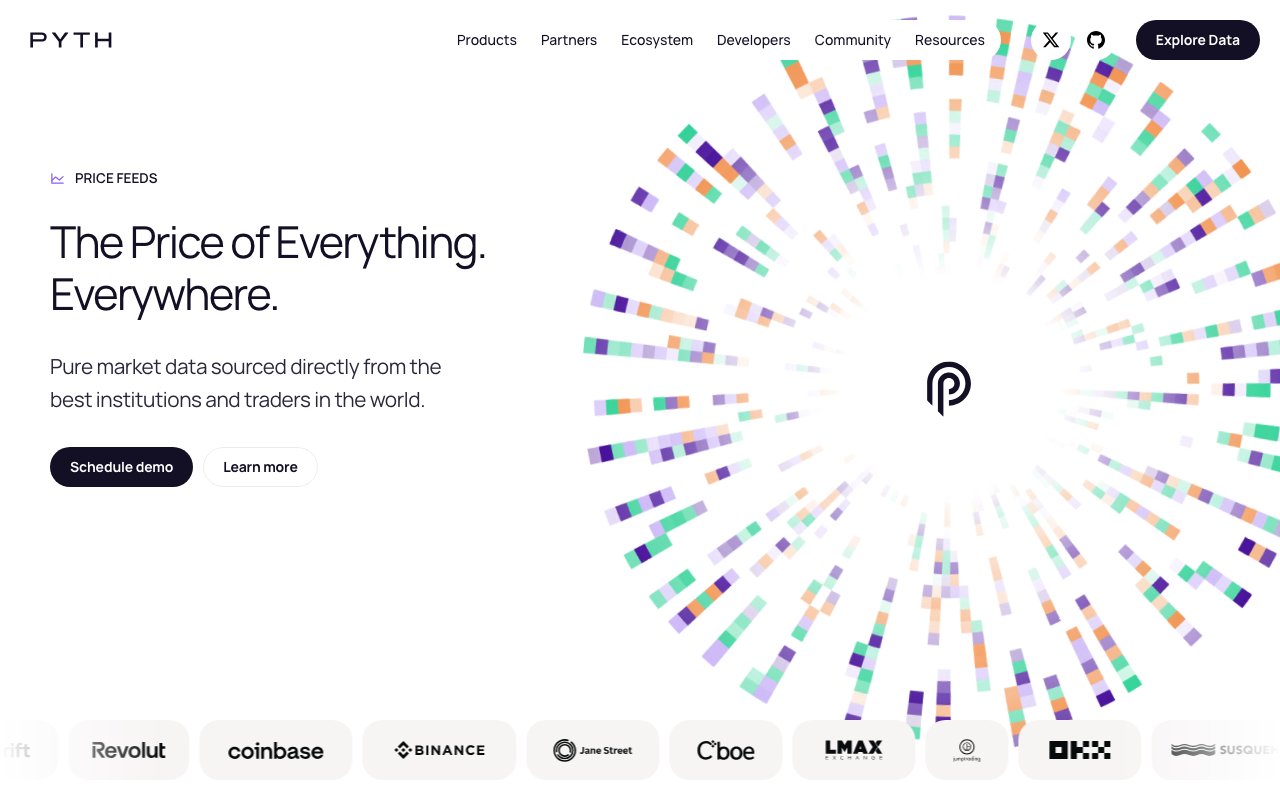
Pyth Network is a decentralized oracle delivering real-time price feeds from 128+ first-party data publishers across 2,800+ feeds on 100+ blockchains, serving 520+ DeFi applications.
LayerZero
LayerZero is an omnichain interoperability protocol enabling secure cross-chain messaging, token transfers, and data movement across 70+ blockchains through immutable, censorship-resistant infrastructure.
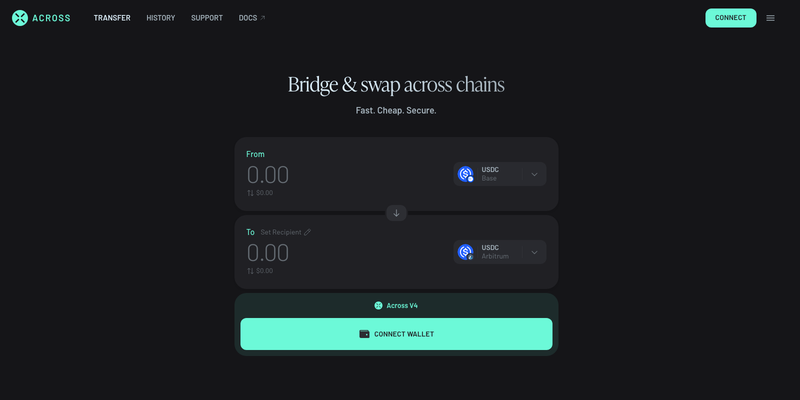
Across
Across is a bridge where relayers front the destination funds and are repaid from a shared pool after an optimistic verification. It connects Ethereum, Arbitrum, Base, Optimism, Polygon, zkSync, Linea and Scroll.
Wormhole
Wormhole is a messaging layer that moves tokens and arbitrary data between chains, with guardians attesting to source-chain events. It connects Ethereum, Solana, Sui, Aptos, Base, Arbitrum and BNB Chain.
RedStone
RedStone is an oracle that delivers price feeds on demand, with signed data pulled into a transaction or pushed on chain. It serves Ethereum, Base, Arbitrum, Berachain, Monad and Hyperliquid.
Alchemy
Alchemy is an infrastructure provider for web3 developers interacting with Ethereum blockchain.
Infura
Infura provides hosted RPC endpoints and archive access so applications can read and write to chains without running nodes. It serves Ethereum, Polygon, Arbitrum, Optimism, Base and Linea.
Helius
Helius provides Solana RPC nodes, webhooks and enhanced transaction APIs that decode program calls into readable events for indexing and monitoring.
The Graph
The Graph is a decentralized protocol for indexing and querying data from blockchains. Interview with The Graph Co-Founder Yaniv Tal
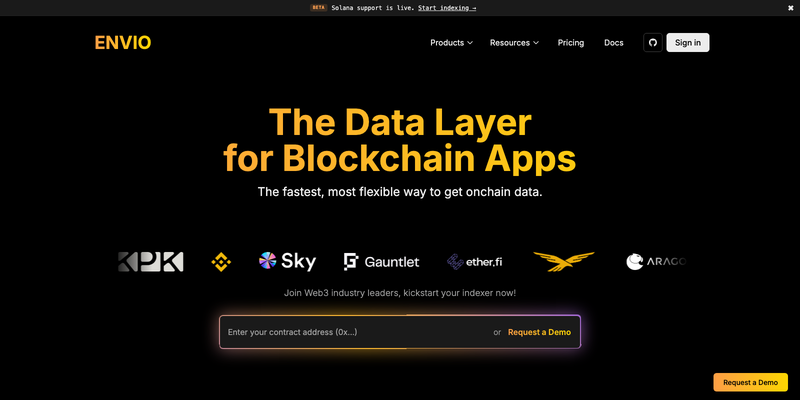
Envio
Envio is an indexing framework that turns contract events into a queryable GraphQL API, with local development and hosted deployment. It supports Ethereum, Base, Arbitrum, Optimism, Polygon and Monad.
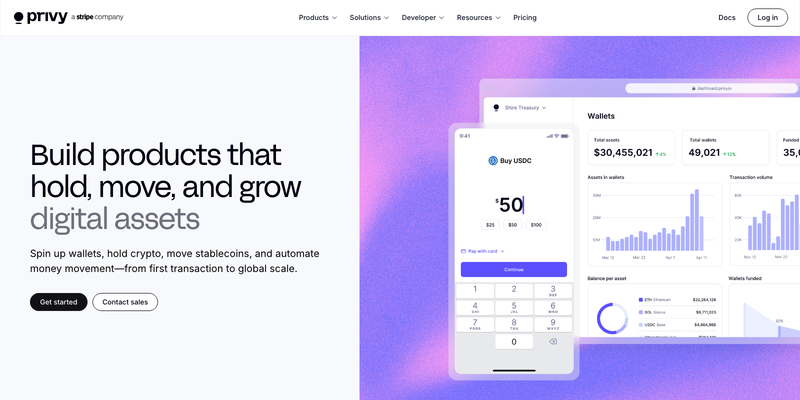
Privy
Privy provisions embedded wallets from an email or social login, splitting key shares so the app never holds a full key. It supports Ethereum, Solana, Base and Polygon.
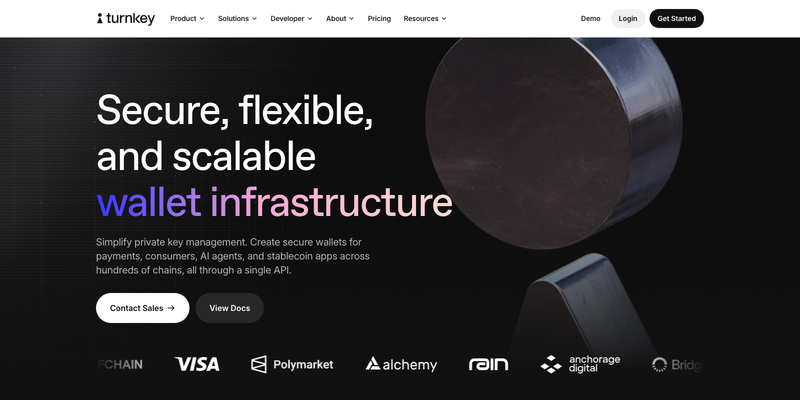
Turnkey
Turnkey is a key management API that holds private keys in secure enclaves and signs under policies set by the developer. It supports Ethereum, Solana, Bitcoin and Base.
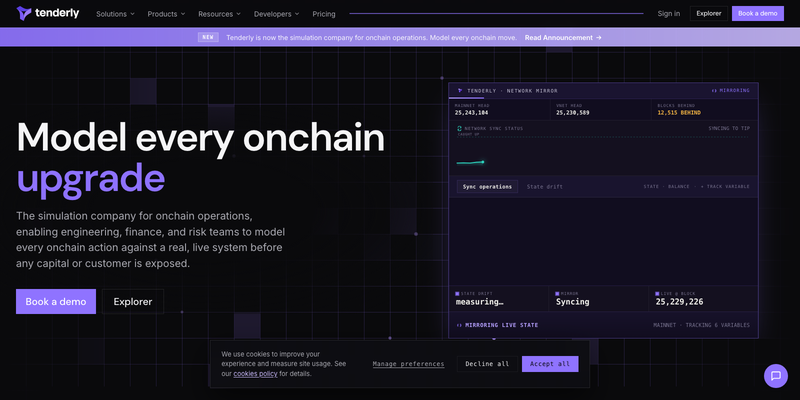
Tenderly
Tenderly is a development platform for simulating transactions, debugging reverts and forking chain state, with RPC nodes and alerting. It covers Ethereum, Base, Arbitrum, Optimism and Polygon.
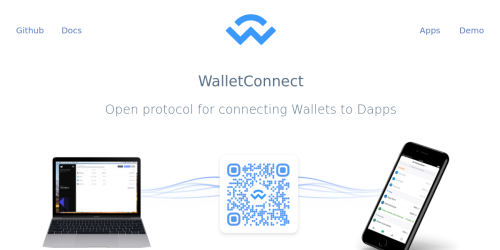
WalletConnect
WalletConnect is an open protocol for connecting desktop Dapps to mobile Wallets using end-to-end encryption by scanning a QR code.
0x
0x Protocol is free, open-source infrastructure that developers and businesses utilize to build products that enable the purchasing and trading of crypto tokens. Interview with the 0x Core Team.
Uma
UMA is a decentralized financial contracts platform built to enable Universal Market Access. Interview with co-founder of UMA, Allison Lu.
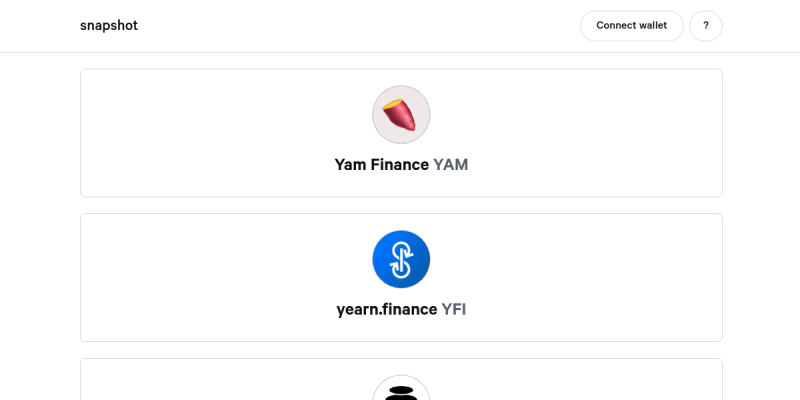
Snapshot
Snapshot is a off-chain, gasless, multi-governance community polling dashboard
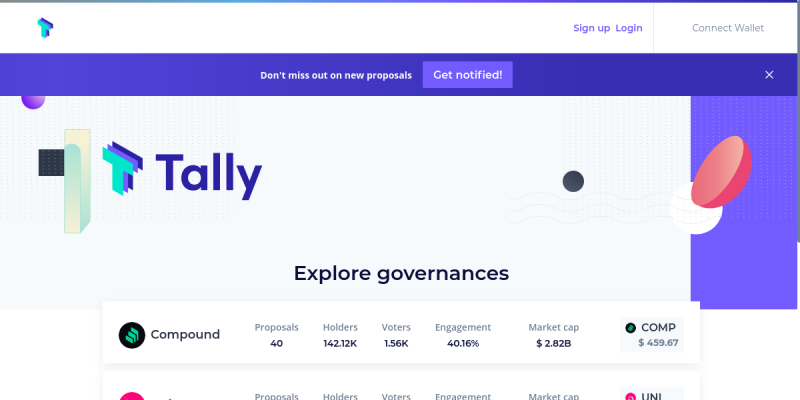
Tally
Tally is a voting dashboard, aggregating data from defi protocols’ governance and providing it in real-time for research and analysis. Interview with co-founder.
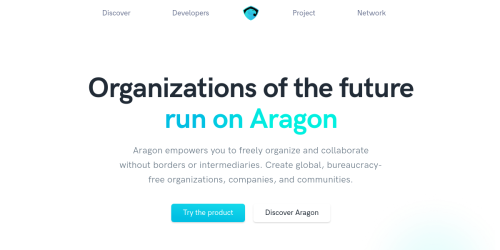
Aragon
Aragon allows you to create global, bureaucracy-free companies and freely organize and collaborate without borders or intermediaries.
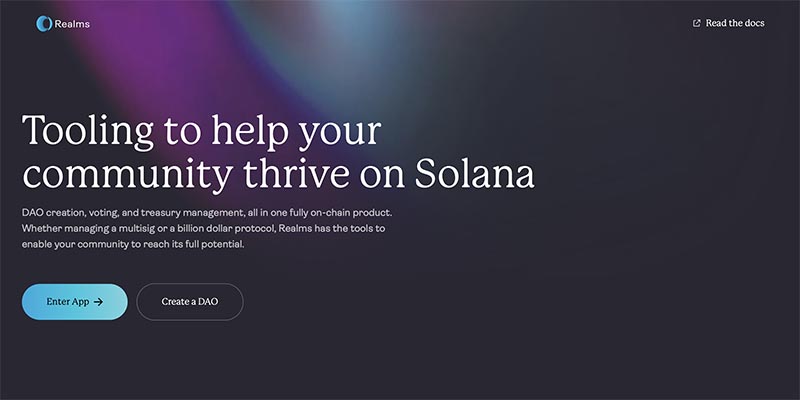
Realms
Realms is a platform built on Solana that provides tools for builders to create and manage their own DAO. Using Realms, builders can create their own DAO, which allows them to manage their members, vote on proposals, and allocate their treasury.